The Risks of Swimming Alone
Water safety is a critical topic as we head into the cooler months as less people are engaged in water activities, leading to reduced foot traffic in and around the aquatic environment, and consequently, fewer people to support in case of an emergency. As such, it’s important to recognise the risks involved with swimming alone. By understanding the importance of water safety and the potential dangers associated with swimming alone, we can take proactive measures to protect ourselves and others.
Did you know? The 2022 Drowning Report by Royal Life Saving Australia found that a lack of or lapse in adult supervision is the cause for all drowning deaths in children. The report found that 42% of drowning cases were known to be alone when they drowned.
More specifically, these are some of the key risks associated with swimming alone:
- Absence of immediate assistance – Accidents can happen unexpectedly, such as cramps, exhaustion or sudden health issues. Without someone nearby to help call for assistance, the situation can quickly escalate.
- Increased vulnerability to accidents – Lack of supervision increases vulnerability to accidents, especially in unfamiliar or challenging aquatic environments. Slippery surfaces, strong currents or underwater obstacles can pose significant threats when there’s no one around to help or raise an alarm.
- Potential health risks – When swimming with a companion, in cases of an emergency, the chance of recognising and responding to such situations improves significantly.
In consideration of these water safety risks, it is important to be proactive and take steps to ensure children and weak or non-swimmers are not prompted to swim alone. Here are some tips to help encourage safe swimming with peers:
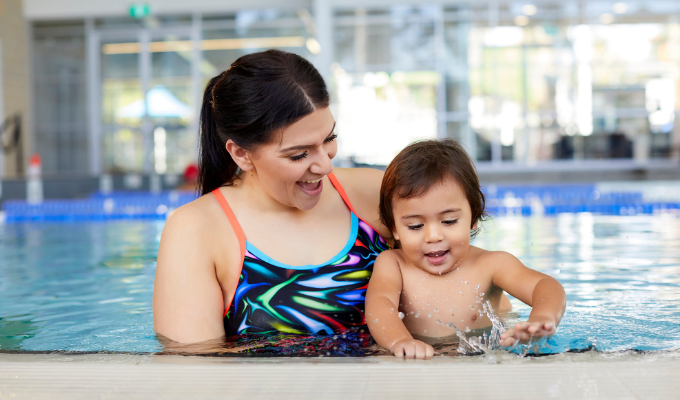
- Active supervision – Assign a responsible adult who is a strong swimmer and knowledgeable about water safety to actively supervise children, weak or non-swimmers whenever they are near or in water. Remove all distractions during supervision, particularly mobile phones.
- Buddy System – Set clear rules to consistently reinforce that swimming is an activity to be enjoyed together. Children can have a designated buddy when swimming and weak or non-swimmers could have a buddy proficient in swimming.
- Lead by example – Parents and guardians to model safe water habits and never swim alone. Children are more likely to adopt safe behaviours when they see adults practicing them consistently.
- Secure barriers and pool fences – Ensure the home pool is fenced with a self-closing and self-latching gate.
- Water safety education – Teach children about water safety will empower them to make safer decisions around water or enrolling in swimming lessons to improve swimming skill.
- Encourage open communication – Provide weak or non-swimmer a comfortable environment to communicate their fears, concerns or discomfort around water.
Adopting these safe swimming practices will aid children and weak or non-swimmers to understand what is considered safe swimming in the company of peers and supervisors. Given the high proportion of drowning incidents are associated to inadequate supervision, it is crucial that we continue to educate and lead by example to ensure children and weak or non-swimmers never swim alone, and rather, enjoy swimming safely with others.