Keeping children water-safe at home and the farm
With home settings varied across the country, from urban and suburban settings to farms and rural properties, there are both many known and unknown water safety hazards waiting to pose a risk to the safety of children.
You may have water safety strategies for your own home setting down pat and be well aware of most evident hazards here. Nonetheless, keeping these at top of mind, watching out for unsuspecting hazards, educating to other carers in your household or network, and being aware of hazards in other settings can help to reduce the risk of drowning.
Remember to consider these top reminders for water safety at home:
- Check the home for notable water hazards such as fountains, ponds and water tanks.
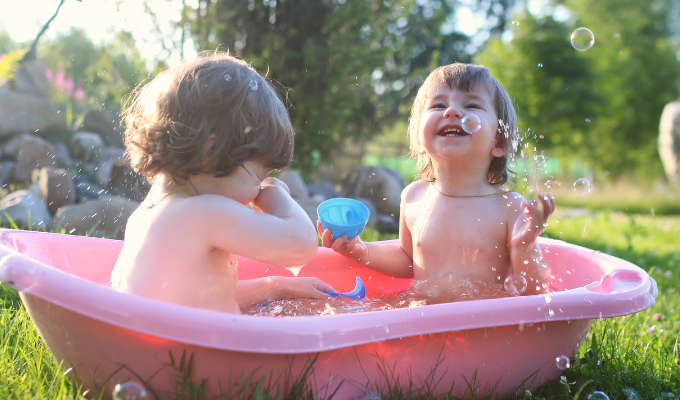
- Check for potential or unsuspecting water safety hazards both inside and outside, such as eskies (coolers), inflatable pools or large containers of water that could be become a hazard if they collect rainwater.
- Ensure constant adult supervision during bath time and be within arms’ reach.
- Always leave the bath empty and restrict access or hide the plug when not in use.
- Do not rely on bath aids to support your child in the bath – they do not prevent children from climbing or falling out of these and drowning.
- Do not leave bath time to respond to distractions such as phone calls or the doorbell ringing. Take your child with you if you must leave the bath.
- Ensure safe use of the home swimming pool, including keeping the gate closed, ensuring adequate adult supervision, and participating in safe swimming activities.
If you live on a rural farm-like property or will be visiting one, consider these points of advice to avoid the risk of a drowning incident:
- Always ensure active adult supervision of children whilst on a farm, even if water hazards are not yet identifiable.
- If a dam, water body, water tanks or other large water hazard on a rural or farm property cannot be fenced off, create a safe, fenced off play space in an appropriate area away from potential water safety hazards. Ensure the designated play area is safe, contains appropriate play equipment and always ensure supervision.
- Fill in any unused holes, ditches or dips where water can collect and form pools, to prevent falls.
- Ensure any empty drums or troughs are turned upside down to prevent filling with water or are otherwise restricted.
Remember, anyone can drown, but nobody should. Let’s continue to keep watch of children in and around water, actively assess for potential water safety hazards, and educate our friends and family on preventative and responsive measures for aquatic incidents. You can learn more about water safety in various settings via the Royal Life Saving Australia website.